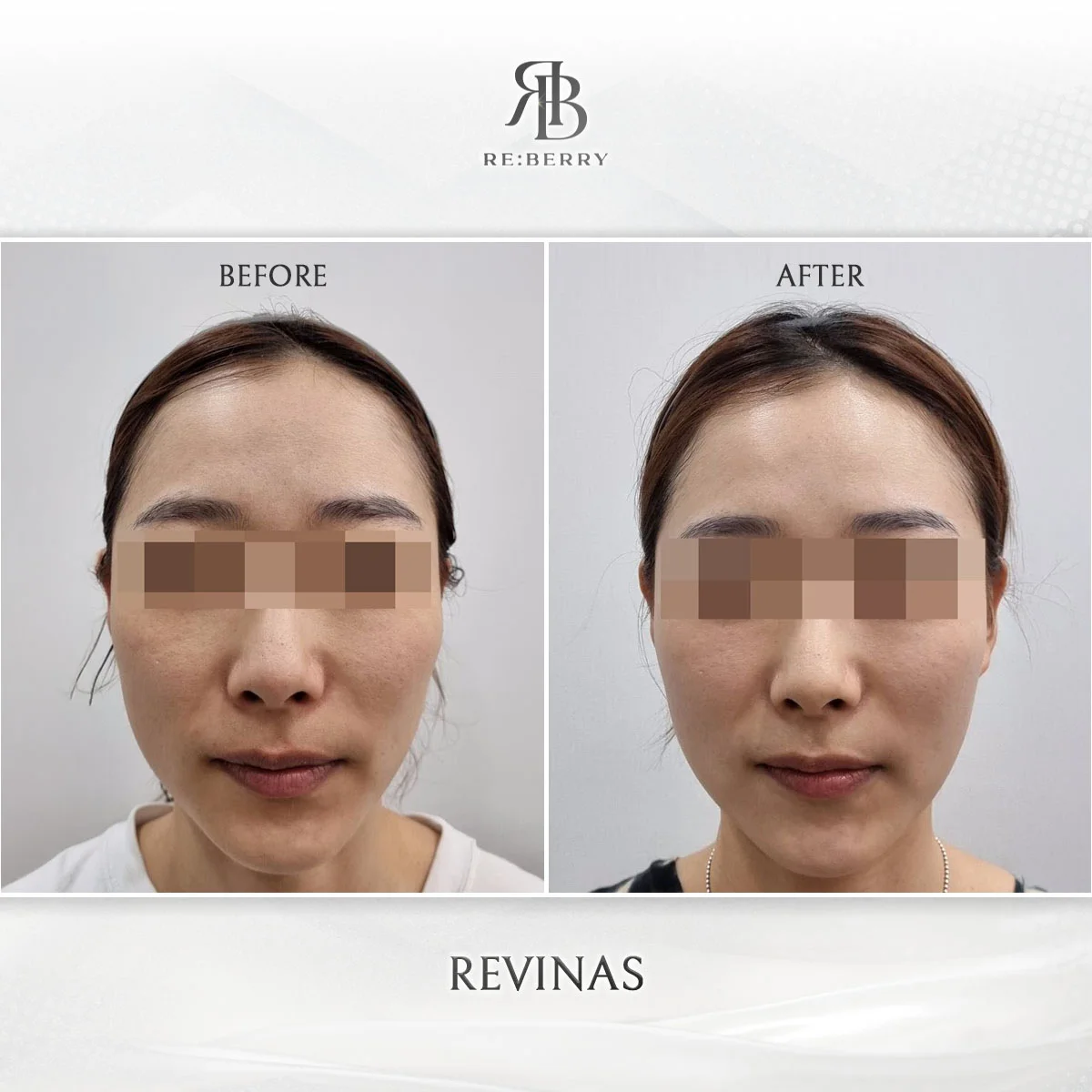
Pre-Procedure Consultation and Planning
The thread lift process begins with a detailed facial assessment. The practitioner evaluates skin laxity grade using the Merz Aesthetics Scale (grades 0-4), identifies areas requiring lift, and maps thread placement vectors directly on the skin with a surgical marker. This mapping stage takes 10-15 minutes and determines the number of threads needed — typically 4-8 threads for mid-face lifting and 6-12 for combined jawline and mid-face treatment. Photography documents the baseline position for post-procedure comparison.
Thread selection depends on treatment goals and tissue quality. PDO (polydioxanone) threads dissolve in 6-8 months and suit patients with mild sagging. PLLA (poly-L-lactic acid) threads persist for 12-18 months and provide stronger collagen stimulation for moderate laxity. Barbed cog threads feature directional hooks spaced at 5mm intervals that grip tissue mechanically, while smooth mono threads create collagen scaffolding without direct lifting force.
Step-by-Step Thread Lift Procedure
Anesthesia and Preparation
Local anesthetic — typically 1-2% lidocaine with epinephrine — is injected at each planned entry point and along the thread pathway. This numbs the treatment area within 5-10 minutes. Some practitioners apply topical numbing cream 30 minutes prior for additional comfort. The treatment area is cleansed with chlorhexidine antiseptic solution, and sterile draping isolates the zones receiving threads.
Thread Insertion Process
Using an 18-gauge cannula or needle, the practitioner creates a small entry point at a predetermined location — commonly at the temporal hairline or preauricular area. The cannula guides each thread along the mapped vector beneath the skin at 3-5mm depth, targeting the subcutaneous fat layer just above the SMAS. Once positioned, the practitioner applies gentle traction to engage the barbed cogs with surrounding tissue. The cannula is withdrawn, leaving the thread anchored in place. Each thread insertion takes 2-4 minutes.
What Happens During Thread Activation
After all threads are placed, the practitioner performs manual molding — gentle external pressure applied to ensure even tissue distribution along the thread pathway. This step takes 3-5 minutes and fine-tunes the lift direction and symmetry. Patients observe immediate lifting as the cog barbs physically reposition tissue. The practitioner checks symmetry from multiple angles and may adjust thread tension before trimming excess material at the entry point.
The biological response begins within hours. Thread placement triggers a controlled foreign-body reaction: macrophages and fibroblasts migrate to the thread surface, initiating collagen type I and type III deposition. This fibrotic encapsulation process strengthens the lift over 8-12 weeks, eventually creating a permanent collagen scaffold that maintains structural support even after the thread material dissolves. Suh DH et al. documented measurable collagen density increases around PDO threads at 12 weeks. Suh DH et al. J Cosmet Laser Ther. 2015;17(6):305-309. doi:10.3109/14764172.2015.1039656
Comfort Measures and Patient Experience
Pain during thread lift averages 2-3 on a 10-point scale with proper local anesthesia. Patients report a tugging or pulling sensation during thread placement rather than sharp pain. Entry point creation produces brief pressure lasting 1-2 seconds per site. Vibration anesthesia devices applied near insertion points activate A-beta nerve fibers that override pain signals, further reducing discomfort. The entire procedure from first anesthetic injection to final thread placement takes 30-60 minutes depending on thread count.
RE:BERRY Gangnam uses real-time assessment during placement to optimize each thread vector for the patient's facial anatomy. After completion, cold compresses are applied for 10 minutes, and patients receive written aftercare instructions. No bandaging or dressing is required — entry points measure approximately 1.2mm and seal within hours. Patients walk out of the clinic immediately and can resume light activities the same day.